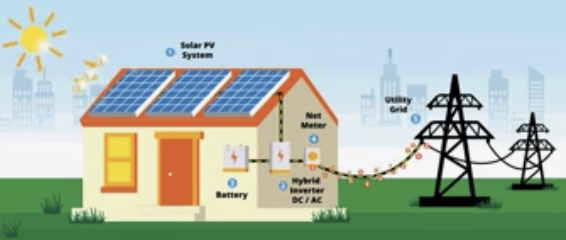
 The ECOSMART integrated modular power minigrid solution may soon birth in Nigeria, facilitating access to renewable electric power for more Nigerians in rural communities while at the same time providing waste management and supplying compost for Agricultural use. ECOSMART is a total waste to wealth concept based on the circular economy which will help to solve three main infrastructural and developmental problems of Nigeria-Electricty and clean Energy Access –Sustainable Waste Management- Organic Fertilizer for Agricultural use and ultimatly food security. The renewable electricity power solution thus comes with underlying economic, environmental and social benefits for rural dwellers, especially for women.
ECOSMART which is currently under development, consist of a consortium of three Nigerian firm, namely Solar Sister: Meyana Bioenergy, Energy Industry Development Initiative, EIDI and three United Kingdom firms that includes Connected Energy, University of Sheffield and LEAP Micro AD, who lead the consortium.
Dr. Tom Obaseki, Chief Executive Officer of Energy Industry Development Initiative (EIDI), made this known in a release recently. Obaseki noted that ECOSMART minigrid plant explores the techno-economic feasibility of a smart, hybrid, renewable, minigrid solution coupled with innovative circular economy business models.
According to Obaseki, the proposed minigrid integrates high throughput Anaerobic Digestion (AD) with solar technology to provide renewable electricity and gas on demand and ensure gender advantage in economic returns for women.
“The establishment of the ECOSMART minigrid is predicated on a circular economy business model which aligns social and gender considerations with economic and environmental benefits. Its focus on valorising waste from cassava, yam, corn and mixed market wastes and ensures a high proportion of beneficiaries are women and those on low incomes,” Obaseki explained.
The ECOSMART electricity minigrid model, serves as both as a cheap source of clean electricity and heat to underserved communities and strengthens economic opportunities available to women, the majority of whom are involved in cassava farming, the main feedstock for the ECOSMART minigrid project. Obaseki called on the Central Bank of Nigeria to explore the opportunity that will be availed through ECOSMART project to classify it as project that qualifies to be financed from the over 500M US$ Micro Small and Medium Enterprises Fund to facilitates mass production and distribution of ECOSMART in and around rural communities across Nigeria.
Obaseki also enjoined the Nigerian Ministry of Environment to embrace this smart technology and ensure its widespread deployment because it is designed to process waste and generate biogas 12x faster than conventional Continuous Stirred Reactor Tank (CSTR) systems. “With the impact of poor waste management on flood and gully erosion, deployment of Anerobic Digestion plants should be classified as an investable project from the Ecological Fund estimated at over 120MillionUS$”
“As part of the design, the system will produce biogas, soil amenders and fertiliser in a ratio beneficial for soil management, supporting local, regenerative agricultural practices. The project will demonstrate the use of clean, renewable biogas for cooking, replacing biomass fuels, which cause well documented respiratory and other health issues, particularly for women and children. Biogas will also be used to generate heat and electricity to power homes and businesses such as cassava drying, food processing, charging for e-bike delivery services, etc. A Pay-As-You-Go (PAYG) mechanism will be used to explore the potential for community ownership of energy and waste management asset, while a smart data approach aims to help rural and peri-urban communities leapfrog inefficient, expensive, centralized infrastructure with an equitable model of circular resource management.